

CNA Classes in Atlanta: Increase Your Income with Credible CNA Programs in Georgia
September 25, 2026
CNA training can be a relatively short route into patient care, but the cheapest class in Atlanta is not automatically the best deal. The question is what you receive for the money. Does the program meet Georgia’s training requirements? Will you get enough clinical practice? Does the schedule fit around work? And will you be ready for the state competency exam? For people comparing CNA classes in Atlanta, these questions can help narrow down programs that offer useful training rather than simply a low price.
For people looking to enter healthcare without spending several years in college, those questions are worth answering before enrollment. The earning potential also deserves a realistic look. In 2025, nursing assistants in Georgia had a median annual wage of $37,680, while the Atlanta-Sandy Springs-Roswell area had a median of $39,350. The median hourly wage in Georgia was $18.12.
These figures are not starting-salary promises, but they show why CNA training can be an appealing entry point for people looking for a new healthcare career. The training itself is only one part of the decision. The quality, schedule, clinical experience, and total cost can all affect whether a program is worth your time and money.
Can CNA Training Help You Earn More?
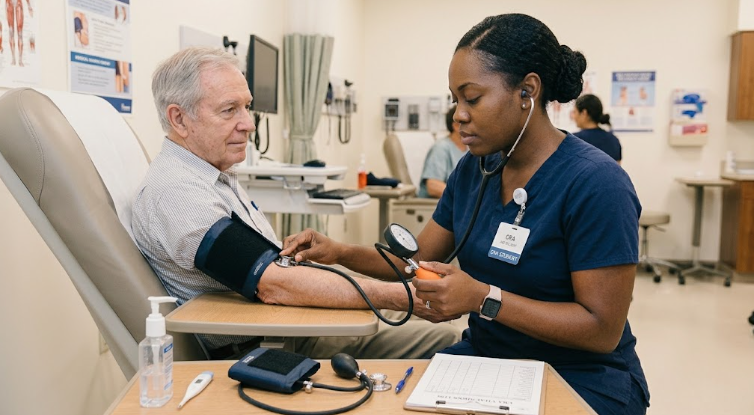
CNA training can increase your earning options, but it does not automatically increase your paycheck. The financial benefit comes from qualifying for CNA positions and then building experience in the field. Pay can vary by employer, experience, location, shift, and workplace. A new CNA may earn less than someone who has several years of experience or works in a position with different pay conditions.
Certification also gives people coming from another field a way to move into patient care. Instead of spending years deciding whether healthcare is the right fit, they can enter an entry-level role, gain experience, and decide where they want to go next. The work itself is practical. CNAs may assist with daily activities, provide basic patient care, take vital signs, support mobility, follow infection-control practices, and work under the direction of licensed nursing staff.
That is why training should involve more than reading a textbook. Students need opportunities to practice skills, ask questions, receive feedback, and become comfortable working around patients.
What Does Georgia Require for CNA Training?
Georgia requires state-approved Nurse Aide Training Programs to provide at least 85 hours of training. That total includes classroom and laboratory instruction, along with a mandatory 24 hours of clinical training in an approved healthcare setting. Current Georgia guidance also states that the clinical rotation cannot be scheduled between 10 p.m. and 7 a.m.
After completing an approved program, candidates must take the competency evaluation. The examination includes written or oral and skills components. Candidates who successfully complete both components are included on the Georgia Nurse Aide Registry. For students starting from scratch, understanding how to become a CNA in Georgia also means knowing what happens before and after the training itself. That makes the advertised tuition only one part of the comparison.
Before enrolling, find out exactly what the program provides:
- Total training hours
- Classroom and laboratory instruction
- Clinical experience
- Skills practice
- State exam preparation
- Class schedule
- Attendance requirements
- Required supplies
- Testing and other fees
- What happens after course completion
A program should make these details easy to understand. You should not have to piece together the real cost or requirements from several different pages.
Are CNA Classes in Atlanta Worth Your Time?
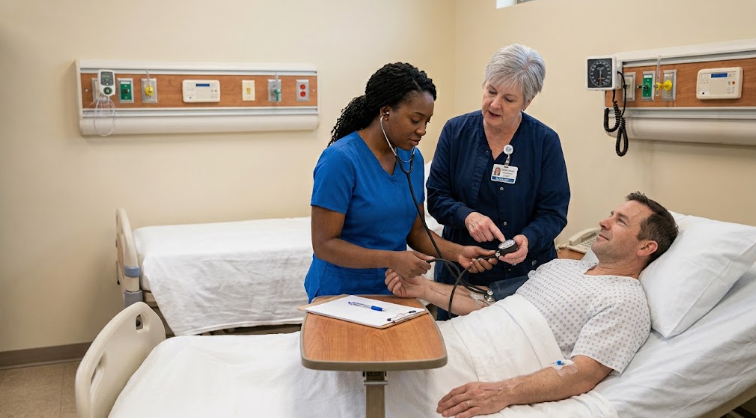
Atlanta has a large healthcare market, but getting hired still requires the right preparation. A useful CNA program should help you move from classroom learning to actual patient care. That means looking beyond the course title and comparing factors such as clinical practice, instructor support, scheduling, and exam preparation. Knowing what to look for when comparing CNA classes in Georgia can help you avoid choosing a program based only on price. For students researching CNA classes in Atlanta, these factors can make it easier to compare programs based on the training they actually provide.
Ready to Start CNA Training? Explore CNA training options and learn more about program schedules, hands-on training, clinical experience, and the steps toward CNA certification in Georgia.
Hands-On Skills
CNA work involves physical tasks and direct contact with patients. Reading about a procedure does not give you the same experience as performing it under supervision. Training should give students time to practice skills related to personal care, mobility, vital signs, infection control, communication, and other CNA responsibilities.
That practice can also reveal where you need more help. A student who struggles with a skill during training has an opportunity to ask questions and improve before entering the workplace.
Real Clinical Experience
Clinical training puts students into a healthcare environment where they can see how patient care works in practice. Georgia requires at least 24 hours of clinical training for approved nurse aide programs. When comparing programs, ask where those clinical hours take place and how students are supervised.
The schedule deserves attention too. A class may fit your availability, while its clinical schedule does not. For someone who already works or has family responsibilities, that difference can be enough to make one program practical and another impossible.
State Exam Preparation
Finishing the course does not mean you are finished. You still have to pass the Georgia competency examination. The exam covers both knowledge and practical skills. Good preparation should therefore include more than a study guide handed out near the end of the course.
Ask whether students practice the required skills and learn what to expect during testing. That preparation can make the final stage of training much less stressful.
How Much Can a CNA Make in Georgia?
The 2025 median wage for nursing assistants in Georgia was $37,680 per year, or $18.12 per hour. In the Atlanta-Sandy Springs-Roswell area, the median annual wage was $39,350, with a median hourly wage of $18.92.
Georgia nursing assistant wages in 2025 included:
- 10th percentile: $30,300 per year
- 25th percentile: $35,490 per year
- Median: $37,680 per year
- 75th percentile: $42,980 per year
- 90th percentile: $47,310 per year
For the Atlanta-Sandy Springs-Roswell area:
- 10th percentile: $33,590 per year
- 25th percentile: $37,320 per year
- Median: $39,350 per year
- 75th percentile: $44,700 per year
- 90th percentile: $48,510 per year
These numbers describe the local wage range. They do not guarantee what a new CNA will earn. Experience, employer, work setting, shift, and other job conditions can change actual pay. For that reason, be cautious about programs that make broad promises about how much you will earn immediately after certification. A credible program should focus first on preparing you for the credential and the work.
Does a More Expensive CNA Program Mean Better Training?
Not necessarily. Tuition tells you what a program costs. It does not tell you how useful the training will be. A higher-priced program may offer a convenient schedule, more support, or better access to equipment. A lower-priced option may also provide solid training. The only way to know is to compare what is included. Look at the full cost rather than the headline tuition.
Depending on the program, you may also need to account for uniforms, supplies, testing, background checks, or other requirements. Ask for these costs before paying a deposit. The schedule is just as important.
For someone who works during the day, an evening or weekend option may be more useful than a cheaper program that conflicts with every work shift. Saving money on tuition does not help much if you cannot complete the course. The better comparison is not simply cheap versus expensive. What do I receive for the total cost?
That value depends on more than tuition. Training quality, hands-on practice, exam preparation, scheduling, and the career opportunities available after completion all affect the overall return on your investment. Looking at these factors can help you decide whether a CNA training program is worth the cost. The same approach can help when comparing CNA classes in Atlanta based on overall value instead of tuition alone.
Where Can You Work After CNA Certification?
CNA employment is available across several healthcare settings.
Depending on the employer and position, certified nursing assistants may work in:
- Nursing homes
- Rehabilitation facilities
- Hospitals
- Long-term care facilities
- Home health settings
- Other healthcare environments
Georgia’s nurse aide guidance notes that nurse aides can work across healthcare facilities, including nursing homes, hospitals, hospice, and home health. The daily routine can look different from one workplace to another.
A nursing home may involve substantial assistance with daily activities and long-term patient care. A hospital position can have a different pace and patient turnover. Home health work may involve providing care in a patient’s residence.
That variety can be useful early in a career. For students exploring quality CNA programs in Georgia near Canton, choosing a program that combines practical training with preparation for the next step can help build a strong foundation for patient-care work. Your first CNA job can help you learn which setting suits your skills, schedule, and long-term plans.
How to Choose CNA Programs in Georgia Near Canton
Location is more than a pin on Google Maps when you are choosing a CNA school. You may need to travel to class several times a week and complete separate clinical hours. Add work, family responsibilities, and study time, and a long commute can become a serious burden. When comparing CNA programs in Georgia near Canton, look at more than distance.
Check program approval
Make sure the school offers an approved Nurse Aide Training Program that meets Georgia’s requirements. Approved programs must meet the state’s minimum training standards.
Check the clinical schedule
Find out how many clinical hours are included, where they take place, and when students attend. Georgia requires at least 24 clinical hours as part of the approved 85-hour program.
Compare class times
Ask about weekday, evening, or other available schedules before enrolling. A convenient class schedule can be just as valuable as a convenient location.
Ask about exam preparation
Find out how the program prepares students for both parts of the competency evaluation. You want to know whether skills practice is built into the course rather than added as an afterthought.
Get the full price
Ask about tuition, supplies, uniforms, testing, and any other required expenses. A written breakdown makes it easier to compare programs fairly.
Find out what happens after training
Ask what steps students take after completing the course and how the school handles the transition toward competency testing and registry placement. These questions take only a few minutes to ask. They can prevent a much bigger headache later.
Looking for CNA Training Near Canton? If you are comparing approved CNA programs based on training, clinical experience, scheduling, and overall value, 1st Treasure Chara Centers can be one of the programs to consider.
Is Becoming a CNA a Good Way to Start a Healthcare Career?
For someone who wants to enter patient care without committing to a long degree program immediately, CNA training can be a practical starting point. It offers a chance to gain hands-on experience, develop essential patient-care skills, and learn what working in a healthcare setting is really like. For many students, that experience can help shape their next career decision, whether they choose to continue working as a CNA or pursue additional healthcare training.
It can also provide an alternative for people who want to enter healthcare without spending four years completing a traditional degree before gaining patient-care experience.
Also it gives you a recognized credential and hands-on experience with patients. More importantly, it lets you see what working in healthcare is actually like. Some CNAs stay in the role and build their experience. Others use the position as a starting point for additional healthcare education. Neither path is automatically right for everyone.
The important thing is to approach CNA certification with realistic expectations. It is not a promise of a high salary. It is a credential that can open access to entry-level patient-care positions. From there, experience, additional education, workplace changes, and career decisions can influence your earning potential.
Final Thoughts
Choosing among CNA classes in Atlanta should involve more than comparing tuition prices. Look at the training hours. Check the clinical experience. Understand the competency exam. Compare the schedule and the full cost. Most importantly, find out what practical preparation you will receive before you enroll. The numbers make CNA training worth considering. Georgia’s 2025 median wage for nursing assistants was $37,680, while the Atlanta-Sandy Springs-Roswell median reached $39,350.
Still, the certificate is only the starting point. A worthwhile program should leave you with more than a completed course. You should have the required training, practical experience, and preparation needed to take the next step into patient care with a clear idea of what comes next. For students comparing local training options, 1st Treasure Chara Centers is one program they can consider when looking at CNA education, hands-on preparation, and the overall training experience.
Frequently Asked Questions
How long does it take to complete CNA Classes in Atlanta?
Most students can finish CNA training in a matter of weeks, but the exact timeline depends on the class schedule. Full-time programs may move quickly, while evening or weekend classes can take longer. Georgia-approved training programs must meet the state’s required training hours, so students should check the total hours rather than choosing a program based only on how many weeks it takes.
What should I look for when choosing CNA Classes Near Canton?
Start with the basics: make sure the program is approved, then look at what the tuition actually includes. Good CNA training should give you more than classroom lessons. Ask about hands-on skills practice, clinical experience, exam preparation, class size, schedule, and any additional costs. A program that fits your schedule and gives you enough practical training can be much more useful than one chosen only because it has the lowest price.
Are there CNA Classes in Atlanta, Georgia that fit a working schedule?
Yes. Class schedules can vary from intensive daytime programs to options designed around work or other commitments. Before enrolling, ask exactly when classroom, lab, and clinical sessions take place. Clinical hours may have a different schedule from regular classes, so knowing the full timetable can help you avoid a conflict after you have already enrolled.
Can I take CNA Classes in Georgia if I have never worked in healthcare?
Yes. CNA training is designed to teach the fundamentals of patient care, so you do not need years of healthcare experience before starting. Your training should introduce you to basic patient-care techniques, safety procedures, communication, infection control, and hands-on skills. For someone entering healthcare for the first time, the clinical portion can also provide a clearer idea of what day-to-day patient care is actually like.
Are there affordable or free CNA training options in Atlanta?
Some students may find employer-sponsored or financial-assistance options that reduce the cost of CNA training. However, availability can change, and not every program offers the same type of assistance. When comparing CNA classes in Atlanta, ask about scholarships, payment plans, employer-sponsored training, and exactly what is included in the advertised tuition. A low starting price can look very different once exam fees, supplies, uniforms, or other costs are added.
Latest Posts
August 13, 2024
Is the Role of a CNA the Same as That of a Nurse?

August 13, 2024
Phlebotomists: Vital Contributors to the Healthcare System

August 13, 2024