What Is Allied Health? Top Careers in the Medical Field to Consider in Georgia
September 10, 2026
When people picture a healthcare career, doctors and nurses usually come to mind first. They are the professionals most patients recognize. But healthcare does not run on two job titles alone.
Walk into a hospital, clinic, laboratory, rehabilitation center, or long-term care facility, and you will find dozens of professionals handling different parts of patient care. Someone may be collecting blood, another person may be helping a patient with daily activities, while someone else prepares a patient for an examination or supports medication-related care. These professionals are part of allied health.
For students and career changers in Georgia, that distinction matters. You can build a career in healthcare without automatically committing to medical school or a traditional nursing program. Depending on your interests and qualifications, you may find a better fit in patient care, phlebotomy, medical assisting, laboratory work, rehabilitation, imaging, or another specialty.
So if you have been searching for careers in the medical field, it is worth looking beyond the usual choices.
What Is Allied Health?
Allied health refers to a broad group of healthcare professions that are generally separate from medicine and nursing but play an important role in patient care.
It can include professionals involved in:
- Patient care
- Diagnostic testing
- Laboratory work
- Medication support
- Rehabilitation
- Emergency care
- Health education
- Medical administration
- Preventive care
The easiest way to understand allied health sciences is to look at what happens around a patient’s care. A physician may diagnose a condition. A nurse may provide direct nursing care. But other professionals may collect the blood needed for testing, perform an imaging procedure, assist with rehabilitation, provide daily patient support, or handle other specialized responsibilities.
The biggest takeaway is that healthcare is a team sport, and there are many positions on the field.
Why Consider a Career in Allied Health?
When students choose a career, security is usually one of the first things they think about. Georgia’s healthcare workforce analysis identified approximately 379,000 workers across 60 healthcare occupations, showing just how broad the state’s healthcare sector is. Allied health includes a range of training pathways, from short-term programs to degree-based education, allowing students to prepare for healthcare roles that match their goals without necessarily pursuing medical school.
But security is not the only advantage. Allied health gives you options. You can start with CNA, phlebotomy, or Certified Medication Aide training and explore different paths as your interests grow. If one role is not the right fit, additional training can help you move into another healthcare specialty. In Georgia, 1st Treasure Chara Centers offers fast career training in CNA, Phlebotomy Technician, CMA, CPR, and continuing education, giving students a practical starting point.
Top Careers in the Medical Field to Explore in Georgia
One of the biggest reasons to investigate allied health sciences is the number of career directions available. You do not have to choose the most familiar healthcare job. Instead, start with the type of work you can realistically see yourself doing every day.
| Career | Main Focus | Patient Interaction | Training Type |
|---|---|---|---|
| CNA | Direct patient care | High | Short-term training |
| Phlebotomy Technician | Blood collection | Moderate | Focused training |
| CMA | Medication-related care | Moderate/High | Specialized training |
| Medical Assistant | Clinical + administrative | Moderate/High | Career-focused training |
Certified Nursing Assistant (CNA)
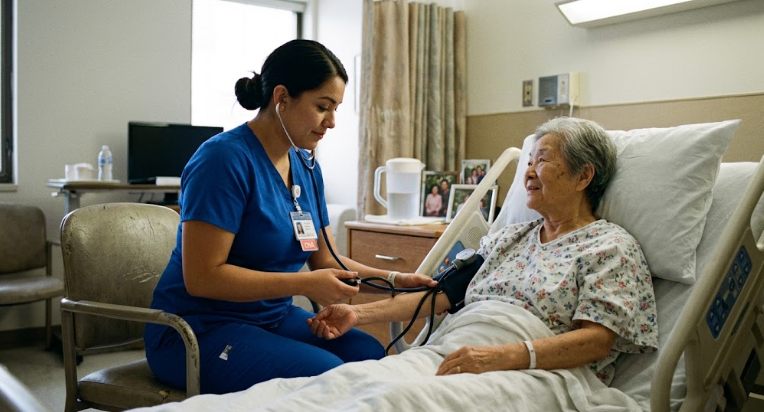
If you want direct patient interaction, becoming a Certified Nursing Assistant may be a practical place to start. CNAs assist patients with everyday needs such as personal care, mobility, positioning, comfort, and other routine activities. Depending on the workplace, they may work in nursing homes, hospitals, assisted living communities, rehabilitation facilities, or home healthcare.
It is hands-on work. You need patience, communication skills, attention to detail, and the ability to work comfortably around people who may be sick, elderly, recovering, or physically limited. For people searching for entry-level careers in the medical field, CNA training can provide an introduction to the realities of patient care.
Phlebotomy Technician
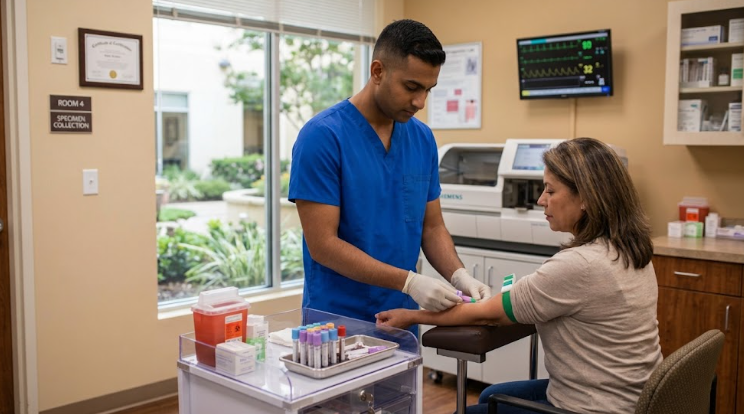
Not everyone wants to spend their day providing personal care. Some people prefer precise, task-focused clinical work. That is where phlebotomy can be a better fit. Phlebotomy technicians collect blood specimens for laboratory testing.
A phlebotomist’s job involves much more than inserting a needle. Patient identification, communication, infection control, specimen handling, labeling, and proper collection techniques all matter.
If you like structured work and are comfortable interacting with patients for shorter periods, phlebotomy may deserve a closer look. It is also a good example of how allied health sciences translate classroom knowledge into practical clinical skills.
Certified Medication Aide (CMA)

Medication-related responsibilities can be another pathway for people interested in expanding their healthcare skills. Certified Medication Aides receive specialized training for medication-related responsibilities within the scope of their role. In Georgia, requirements can vary based on the position and care setting, so students should review current state and employer requirements before enrolling.
Because medication safety is serious business, anyone considering this path should understand the training, competency, certification, and state-specific requirements before enrolling. For someone already interested in direct patient care, becoming a CMA may also provide an opportunity to build additional healthcare skills.
Medical Assistant
Medical assisting can appeal to people who do not want their entire workday to look the same. Depending on the employer and scope of the position, medical assistants may take vital signs, prepare patients for examinations, update records, assist providers, schedule appointments, and perform other clinical or administrative duties.
That combination makes medical assisting particularly interesting for people who like both patient interaction and organized office work.
Explore career training options in CNA, Phlebotomy, CMA, and CPR designed for students in Georgia.
Allied Health vs. Doctors and Nurses: What’s the Difference?
The difference is easiest to understand by looking at responsibilities.
- Physicians generally diagnose and treat medical conditions.
- Nurses provide nursing care, monitor patients, administer medications within their scope, educate patients, and coordinate many aspects of care.
- Allied health professionals work across specialized areas that support diagnosis, treatment, prevention, rehabilitation, and patient care.
One does not replace the other. Healthcare works because these professionals work together. Think of it less as choosing between separate careers and more as choosing where you want to contribute to the same larger system.
How to Choose the Right Allied Health Career
Before searching for a school, think about the work itself.
Ask yourself:
- Do I want regular patient interaction? A CNA or another patient-care role may be worth exploring.
- Do I prefer focused technical work? Phlebotomy or laboratory-related careers may be a better fit.
- Do I enjoy variety? Medical assisting can combine clinical and administrative responsibilities.
- Am I interested in medication-related responsibilities? Research the requirements for becoming a Certified Medication Aide in your state.
- Do I want room to keep learning? Look for a career pathway where additional education or certifications can make sense later.
This is where career “fit” matters more than chasing whichever job title sounds impressive. A healthcare career should work for the person doing it, not just look good on paper.
What Should You Look for in an Allied Health Training Program?
Once you know which direction interests you, choosing a training provider becomes the next decision. And this is where students should slow down. Do not choose a school simply because its website says “career-ready.”
Look at the actual program. Ask:
- Does the training match the job’s responsibilities?
- Is hands-on practice included?
- Who teaches the program?
- What credential or certification does the program prepare students for?
- How long does the training take?
- What does the program cost?
- Does the schedule work with your responsibilities?
- Is student support available?
- Are clinical or practical components included where appropriate?
Hands-on learning can be especially important in healthcare. Reading about blood collection is not the same as practicing it. The same applies to patient care, communication, safety procedures, and other practical skills.
Finding the right training environment can make the path into healthcare feel much clearer. An academy of allied health careers can allow students to explore different healthcare specialties and build practical skills aligned with their career goals.
How 1st Treasure Chara Centers Helps Students Start in Healthcare
Choosing the right training provider can be just as important as choosing the right career. For students in Georgia who are still comparing their options, 1st Treasure Chara Centers in Holly Springs offers career training in CNA, Certified Medication Aide, Phlebotomy Technician, CPR, and continuing education.
That range can be useful when you are still figuring out which direction makes sense. You do not necessarily need to map out your entire healthcare career before taking your first step. Start by identifying the kind of work that interests you. Then find training that matches that goal.
Whether you are drawn to patient care, clinical procedures, medication-related responsibilities, or a combination of clinical and administrative work, the right starting point can make the next decision easier.
Frequently Asked Questions About Allied Health Careers
What Is the Best Career in the Medical Field?
The best career in the medical field depends on your interests, skills, education, and preferred work environment. For students seeking practical healthcare pathways, CNA, phlebotomy technician, Certified Medication Aide (CMA), and medical assistant are options worth exploring.
What Types of Jobs Are in Healthcare?
Healthcare jobs include patient care, laboratory work, phlebotomy, medical assisting, diagnostic imaging, pharmacy, rehabilitation, respiratory care, emergency medical services, and healthcare administration. This wide range gives students many careers in the medical field to choose from.
What Allied Health Careers Can I Start With Short-Term Training in Georgia?
In Georgia, some in-demand allied health careers can be pursued through focused training programs, including CNA, phlebotomy, and Certified Medication Aide. Training requirements vary by occupation, so students should check the education, certification, and state requirements before enrolling.
1st Treasure Chara Centers offers career training options in CNA, Phlebotomy Technician, CMA, CPR, and continuing education.
Do allied health careers require a college degree?
Requirements vary by occupation, with some careers requiring focused training and others requiring degrees or additional credentials.
Latest Posts
August 13, 2024
Is the Role of a CNA the Same as That of a Nurse?
August 13, 2024
Phlebotomists: Vital Contributors to the Healthcare System

August 13, 2024