

Free Georgia CNA Practice Test: 2026 Exam Questions & Answers
October 12, 2026
Preparing for the Georgia CNA exam takes more than memorizing definitions. The written test asks how you would respond to everyday situations involving residents, safety, infection control, communication, and basic care.
Georgia uses the National Nurse Aide Assessment Program (NNAAP) examination. The written exam contains 70 multiple-choice questions, including 10 pretest questions that do not count toward the score. There is also an oral examination option for eligible candidates who have difficulty reading English.
This free CNA practice test with answers gives you 25 original questions to help you review important nurse aide topics before test day. The questions focus on situations a CNA may encounter while providing safe, respectful care.
If you are still building your basic nursing skills, completing a structured CNA program in Georgia can give you hands-on training alongside exam preparation.
Free CNA Practice Test: Let’s Start
The CNA test is not only about remembering facts. Many questions describe a situation and ask you to choose the best or safest response.
That is why practice questions can be useful. They help you become comfortable reading the situation, identifying what the CNA can do, and recognizing when a concern should be reported to the nurse.
Try answering all 25 questions before checking the answer key. Keep track of the questions you guessed on, too. Those questions can reveal topics that need another review.
How to Take This CNA Practice Exam
Use these simple steps to get more from the test:
- Read every question carefully.
- Choose one best answer.
- Do not check the answer key after every question.
- Mark questions you are unsure about.
- Review the explanations after finishing.
- Write down the topics you missed.
- Study those topics before taking another practice test.
Georgia CNA Practice Test Questions
Question 1
A CNA enters a resident’s room to provide morning care. What should the CNA do first?
- Remove the resident’s blanket
B. Explain the care to the resident
C. Raise the bed to its highest position
D. Begin washing the resident’s face
Question 2
Where should a resident’s call light be placed after the CNA finishes providing care?
- On the bedside table across the room
B. Under the resident’s pillow
C. Within the resident’s reach
D. At the foot of the bed
Question 3
Which action is most important for preventing the spread of infection?
- Wearing a mask during every interaction
B. Performing proper hand hygiene
C. Keeping the patient’s door closed
D. Changing shoes between residents
Question 4
A resident refuses a bath. What should the CNA do?
- Force the resident to take the bath
B. Tell the resident that bathing is required
C. Respect the refusal and report it to the nurse
D. Ask another resident to convince them
Question 5
A resident begins to fall while walking with a CNA. What should the CNA do?
- Pull the resident back to standing
B. Try to hold the resident upright by the arms
C. Ease the resident safely to the floor
D. Leave the resident and get a wheelchair
Question 6
A CNA notices new redness on a resident’s heel. What should the CNA do?
- Massage the area
B. Apply lotion
C. Report the finding to the nurse
D. Cover the area tightly
Question 7
Which action protects a resident’s privacy during personal care?
- Leaving the door open
B. Closing the curtain or door
C. Asking visitors to watch
D. Discussing the resident in the hallway
Question 8
A resident with hearing loss has difficulty understanding the CNA. What is the best approach?
- Shout loudly
B. Speak while facing away
C. Face the resident and speak clearly
D. Speak very quickly
Question 9
A resident suddenly complains of chest pain. What should the CNA do?
- Give the resident medication
B. Tell the resident to rest and check again later
C. Report the complaint immediately to the nurse
D. Offer the resident food
Question 10
Which observation should a CNA report to the nurse?
- A resident wants to watch television
B. A resident has a sudden change in behavior
C. A resident asks for a blanket
D. A resident chooses not to watch television
Note: Don’t Check the Answers Yet. Before looking at the key, write down your answers from 1 to 25. Then compare them below.
Question 11
When providing perineal care, the CNA should generally clean:
- From dirty to clean
B. From clean to dirty
C. In any direction
D. Only the areas that are visible
Question 12
A resident with diabetes says they feel shaky and weak. What should the CNA do?
- Give insulin
B. Give the resident medication
C. Report the symptoms to the nurse
D. Tell the resident to sleep
Question 13
Which position generally helps promote easier breathing for a resident who is experiencing shortness of breath?
- Flat on the back
B. Upright
C. Face down
D. Flat on the stomach
Question 14
Which action can help prevent pressure injuries?
- Keeping the resident in one position
B. Repositioning the resident as directed
C. Massaging reddened skin
D. Keeping the skin moist
Question 15
A CNA finds a resident lying on the floor. What should the CNA do?
- Immediately lift the resident into bed
B. Ask the resident to stand
C. Call for help and follow the facility’s procedure
D. Give the resident water
Question 16
Which task is appropriate for a CNA when it is included in the care plan and permitted by the CNA’s role?
- Diagnosing an illness
B. Changing medication doses
C. Measuring vital signs
D. Prescribing treatment
Question 17
A resident tells a CNA that another staff member hurt them. What should the CNA do?
- Keep the information private from everyone
B. Confront the staff member
C. Report the allegation according to facility policy
D. Ask other residents what happened
Question 18
Which information should a CNA keep confidential?
- A resident’s medical information
B. The facility’s visiting hours
C. The CNA’s work schedule
D. The dining room location
Question 19
A resident becomes angry and begins yelling at the CNA. What is the best response?
- Yell back
B. Argue with the resident
C. Remain calm and listen
D. Tell the resident to stop immediately
Question 20
Which action is appropriate when helping a resident eat?
- Feed the resident as quickly as possible
B. Allow enough time to chew and swallow
C. Feed the resident while lying flat
D. Force the resident to finish the meal
Question 21
Before transferring a resident from a bed to a wheelchair, the CNA should:
- Leave the wheelchair unlocked
B. Lock the wheelchair wheels
C. Remove the resident’s shoes
D. Move the wheelchair far from the bed
Question 22
A resident has difficulty remembering recent events and becomes confused. What should the CNA do?
- Argue with the resident
B. Tell the resident they are wrong
C. Remain calm and provide reassurance
D. Ignore the resident
Question 23
Which finding may indicate dehydration?
- Moist mouth
B. Clear urine
C. Dry mouth
D. Increased urination
Question 24
A CNA notices that a resident’s condition has changed from the previous shift. What should the CNA do?
- Diagnose the problem
B. Ignore the change
C. Report the change to the nurse
D. Wait until the next shift
Question 25
Which action demonstrates respect for a resident’s independence?
- Doing every task for the resident
B. Allowing the resident to do what they can safely do
C. Making all decisions for the resident
D. Refusing to let the resident choose their clothing
Finished? Great. You can now check the answers.
| Question | Answer | Question | Answer | Question | Answer |
|---|---|---|---|---|---|
| 1 | B | 10 | B | 19 | C |
| 2 | C | 11 | B | 20 | B |
| 3 | B | 12 | C | 21 | B |
| 4 | C | 13 | B | 22 | C |
| 5 | C | 14 | B | 23 | C |
| 6 | C | 15 | C | 24 | C |
| 7 | B | 16 | C | 25 | B |
| 8 | C | 17 | C | ||
| 9 | C | 18 | A |
CNA Practice Test Answer Key With Explanations
Check your answers below. For each question, look at the reason behind the correct answer. These small details can help you understand what a CNA should do when caring for residents.
Question 1
Correct answer: B
Before starting a bath or helping someone get dressed, let the resident know what you are about to do. They may have questions or prefer to do part of the task themselves. A quick explanation helps them feel comfortable and keeps them involved in their own care.
Question 2
Correct answer: C
Imagine needing help but finding the call light on a table across the room. The resident might try to reach it alone and fall. Keeping the call light close allows them to ask for assistance without getting out of bed.
Question 3
Correct answer: B
A CNA may help several residents during one shift. Without proper hand hygiene, germs can travel from one person to another through the hands. Washing with soap and water or using an appropriate alcohol-based hand rub at the required times helps break that chain.
Question 4
Correct answer: C
A resident might refuse a bath because they feel cold, tired, uncomfortable, or simply not ready. The CNA should listen instead of forcing the task. They can explain the benefits of bathing, offer another suitable time, and report the refusal according to facility policy.
Question 5
Correct answer: C
Trying to pull someone upright during a fall can hurt both people. If a resident starts falling, the CNA should support them as safely as possible and guide them toward the floor. Once they are down, the CNA should call for help and follow the facility’s procedures.
Question 6
Correct answer: C
A red patch on a resident’s heel may look minor, but it can be an early warning sign of pressure damage. The CNA should report it rather than rub the area or apply an unapproved treatment. Catching skin changes early gives the care team a chance to assess the problem.
Question 7
Correct answer: B
A resident should not have to worry about someone walking in while they are bathing or changing clothes. Closing the curtain or door protects their privacy. The CNA should also keep the resident covered as much as possible during care.
Question 8
Correct answer: C
Facing the resident helps them see your facial expressions and follow your words. Speak clearly at a normal pace, and give them time to respond. Shouting is not always helpful because it can distort speech and make words harder to understand.
Question 9
Correct answer: C
Chest pain can be a sign of a serious emergency, even if the resident says it is mild. The CNA should alert the nurse immediately and follow emergency procedures. Waiting to see whether the pain disappears could delay care the resident urgently needs.
Question 10
Correct answer: B
A resident who is usually calm but suddenly becomes restless or confused may be experiencing pain or an illness. The CNA should report the change rather than assume it is simply a bad mood. Even a small change from the resident’s usual behavior can be important.
Question 11
Correct answer: B
The aim is to avoid carrying germs from a dirtier area to a cleaner one. During female perineal care, the CNA generally wipes from front to back, using a clean part of the washcloth for each stroke. This helps reduce the risk of moving germs toward the urinary opening.
Question 12
Correct answer: C
Shakiness and weakness in someone with diabetes can be signs of low blood sugar. The CNA should tell the nurse promptly and follow the resident’s care plan and facility procedures. Giving insulin or other medication without authorization is not the CNA’s job and could make the situation worse.
Question 13
Correct answer: B
Lying flat may make breathing harder for some residents who are short of breath. Sitting upright can help the chest expand and make breathing more comfortable. The CNA should help the resident into a safe position and get prompt assistance from the nurse. Sudden or severe breathing difficulty needs immediate emergency attention.
Question 14
Correct answer: B
When someone stays in bed or a chair for long periods, pressure builds up on certain areas of the body. Over time, this can damage the skin. Repositioning the resident according to the care plan helps relieve that pressure. The CNA should also watch for skin changes and report them.
Question 15
Correct answer: C
Finding a resident on the floor can be worrying, but lifting them straight into bed is not the answer. They may have an injury that is not immediately obvious. The CNA should call for help, stay with the resident when safe, and follow the facility’s procedures before any movement.
Question 16
Correct answer: C
Taking a resident’s temperature, pulse, respirations, or blood pressure may be part of a CNA’s duties when permitted by their training, role, and care plan. The CNA records and reports the findings but does not diagnose the resident or prescribe treatment. If a reading seems unusual, the nurse needs to know.
Question 17
Correct answer: C
If a resident says a staff member hurt them, take the concern seriously. Report it promptly through the required channels and follow applicable safeguarding procedures. Do not dismiss the resident’s account or confront the staff member yourself. The priority is the resident’s safety and proper reporting.
Question 18
Correct answer: A
A resident’s diagnosis and other medical details are not for casual conversation. Sharing them with visitors or discussing them in a public hallway can expose private information. CNAs should share information only with authorized people for appropriate care-related purposes.
Question 19
Correct answer: C. Remain calm and listen.
Yelling back will rarely settle an upset resident. They may be frightened, frustrated, confused, or in pain. A calm voice and patient listening can help the CNA understand what is bothering them. If the situation becomes unsafe, the CNA should seek help.
Question 20
Correct answer: B
Meals should not feel like a race. Rushing a resident can increase the risk of choking or food entering the airway. The CNA should follow the resident’s care plan, use the prescribed food texture and positioning, and wait until the resident has swallowed before offering another bite.
Question 21
Correct answer: B
A wheelchair that rolls during a transfer can cause the resident to lose their balance. Locking the wheels helps keep the chair in place while the resident moves from the bed. The CNA should also follow the care plan and use any required transfer aids.
Question 22
Correct answer: C
Correcting every mistaken detail can leave a confused resident more upset. Instead, use simple words, speak gently, and offer reassurance. If the confusion is new or worse than usual, report it to the nurse because it may signal a change in the resident’s health.
Question 23
Correct answer: C
A dry mouth can be a sign that a resident is not getting enough fluid. Other clues may include dark urine, dizziness, or reduced urine output. The CNA should report concerns and offer fluids when allowed by the care plan. Some residents have fluid restrictions, so extra drinks are not always appropriate.
Question 24
Correct answer: C
The CNA may notice that a resident is eating less, moving differently, or acting unlike their usual self. These details can help the nurse spot a developing problem. Report what you actually observed rather than guessing at the cause or waiting for the next shift.
Question 25
Correct answer: B
Helping does not always mean doing everything for someone. A resident may still be able to comb their hair, choose their clothes, or feed themselves with little assistance. Letting them do what they safely can helps preserve their independence. Step in where support is needed, rather than taking over every task.
How Did You Score?
Use your score as a study guide, not a final judgment.
- 22–25: You’re showing strong knowledge. Review the few questions you missed.
- 18–21: You’re on the right track. Focus on your missed topics before taking another test.
- 14–17: Spend more time reviewing safety, resident rights, infection control, and basic care.
- Below 14: Start with the fundamentals and retake the practice test after reviewing your CNA materials.
Important: These score ranges are informal study guidelines, not official Georgia CNA scoring standards. This practice test is for self-assessment and does not predict whether you will pass the official examination.
The goal is not simply to memorize the letters A, B, or C. Focus on the reason behind each answer. Understanding the safety principle will help you approach unfamiliar questions with greater confidence.
What to Study After This CNA Practice Exam
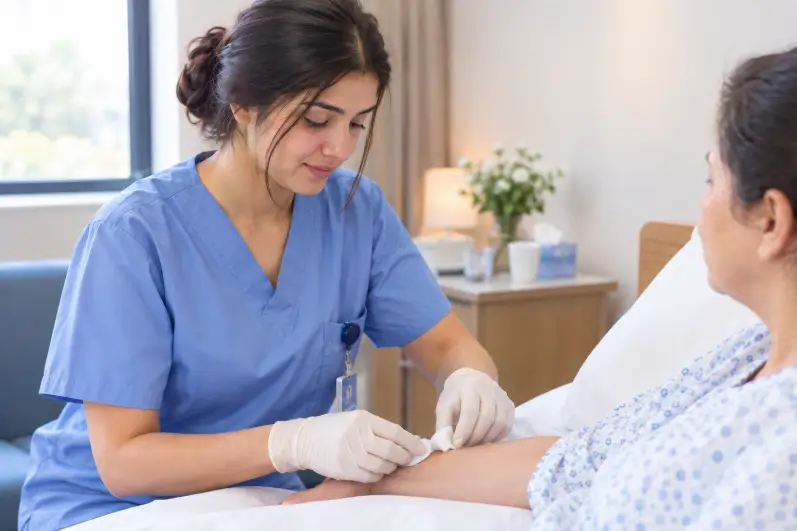
The current Georgia NNAAP exam is designed to measure whether an entry-level nurse aide understands and can safely perform nurse aide-related knowledge and skills.
After completing this free CNA practice test with answers, spend extra time reviewing:
Infection Control
Review hand hygiene, standard precautions, PPE, preventing cross-contamination, and safe handling of potentially infectious materials.
Resident Rights
Know the basics of privacy, dignity, confidentiality, independence, informed participation, and the right to refuse care.
Safety
Review fall prevention, transfers, call lights, emergency situations, body mechanics, and environmental safety.
Personal Care
Study bathing, oral care, toileting, dressing, grooming, perineal care, and maintaining resident dignity.
Vital Signs and Observation
Know how CNAs assist with basic measurements and, more importantly, which changes should be reported to the nurse.
Communication
Review communication with residents who have hearing loss, vision loss, dementia, confusion, or emotional distress.
Nutrition and Hydration
Understand safe feeding practices, positioning, fluid intake, signs of dehydration, and when changes should be reported.
Skin Care and Pressure Injuries
Know how repositioning, skin observation, hygiene, nutrition, and moisture management can help reduce the risk of skin breakdown.
What Is on the Georgia CNA Exam?
Georgia’s NNAAP examination has two parts:
- The Written Exam
- Oral Examination and the Skills Evaluation
Candidates must pass both parts to be listed on the Georgia Nurse Aide Registry. The written exam contains 70 multiple-choice questions, while the oral exam includes 60 multiple-choice questions plus 10 reading comprehension or word-recognition questions.
The skills portion involves five randomly selected nurse aide skills performed under evaluation. So, while a CNA practice exam can help you prepare for the knowledge portion, it should not replace hands-on skills practice.
Exam details can change. Always check the current Georgia NNAAP candidate handbook for the latest testing requirements and exam format.
Ready to Take the Next Step?
Practice questions can show you where your knowledge stands. Hands-on training helps turn that knowledge into practical CNA skills.
If you’re preparing for certification in Georgia, explore the training options available through 1st Treasure Chara Centers to build the knowledge and practical skills needed for a healthcare career.
Related Guides
- Why Do Some Students Fail the CNA Certification Course?
- Infection Control Skills You’ll Learn in CNA Training
- How to Become a CNA in Georgia
- Daily Duties of a Certified Nursing Assistant
Frequently Asked Questions
1. Can I take an oral CNA exam in Georgia?
Yes. Georgia candidates who have difficulty reading English can request the Oral Examination. It contains 60 multiple-choice questions plus 10 reading comprehension or word-recognition questions.
2. Does passing the CNA written exam make me certified?
No. Georgia’s NNAAP examination has both a written or oral portion and a skills evaluation. Candidates must pass both parts to be listed on the Georgia Nurse Aide Registry.
3. How can I prepare for the Georgia CNA exam?
Review the official Georgia NNAAP content outline, study your CNA training materials, practice answering scenario-based questions, and spend time practicing the required hands-on skills. Taking several practice tests can also help you identify topics that need more attention.
Latest Posts
August 13, 2024
Is the Role of a CNA the Same as That of a Nurse?
August 13, 2024
Phlebotomists: Vital Contributors to the Healthcare System

August 13, 2024