
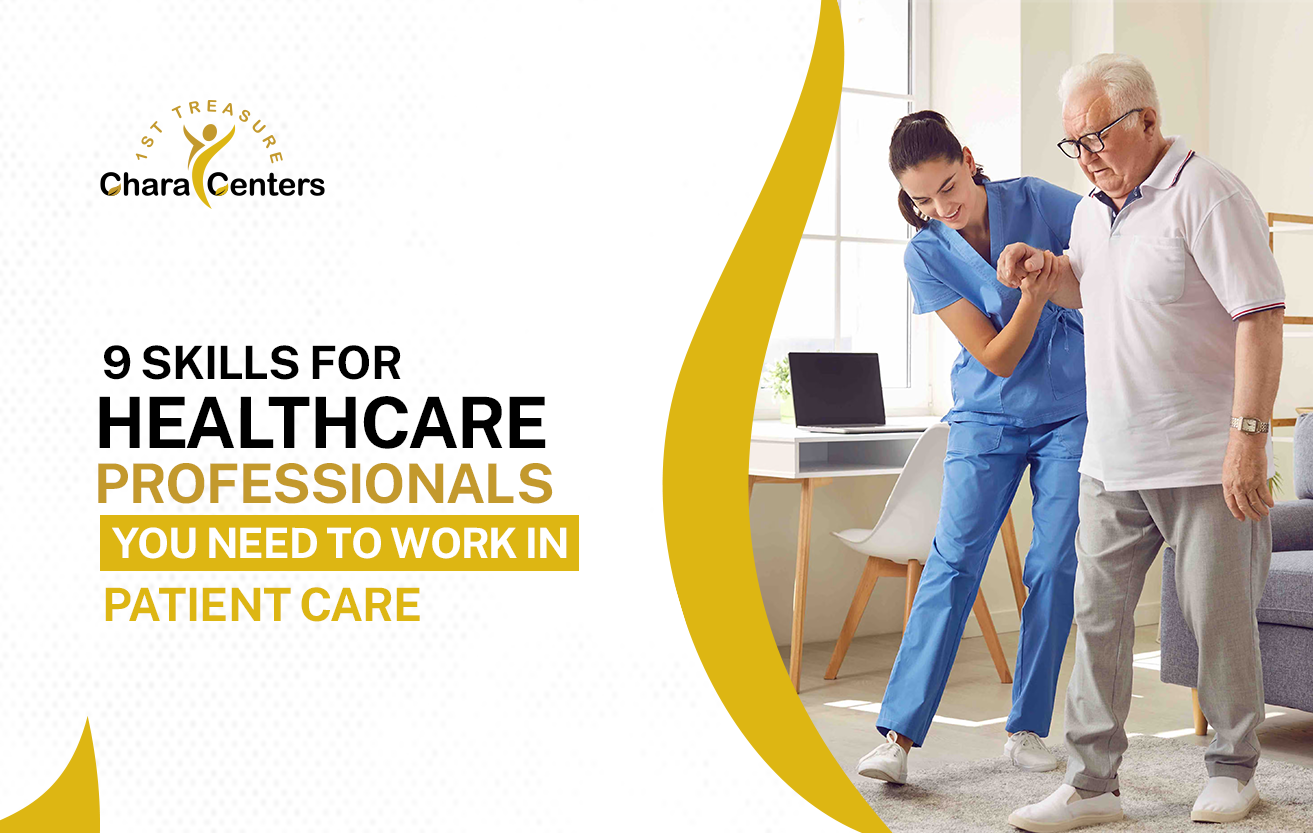
9 Skills for Healthcare Professionals to Master Patient Care
April 21, 2026
Patients don’t necessarily choose the doctor who knows the most; they look for the one who listens, stays calm, and makes them feel like a human being rather than a case number. Ultimately, these skills for healthcare professionals are what transform a good clinician into a great one.
Healthcare is one of the few fields where being technically brilliant isn’t enough. You can ace every exam and memorize every protocol, but you can still fall short. The moments that define a career rarely come down to raw data; they come down to how you handle a frightened family, a chaotic ward, or a colleague about to make a mistake.
That is where these essential human skills matter most. If you’re serious about growing in this field, these are the ones worth building.
Why Skills for Healthcare Professionals Matter More Than Ever
Healthcare feels a lot different once you step into a hospital or clinic for the first time. People are moving fast, patients need help, and sometimes several situations unfold at the same time. In moments like these, basic medical knowledge is only the starting point. According to the Agency for Healthcare Research and Quality (AHRQ), teamwork, communication, and coordination are a big part of safe patient care. This is why the skills below help nurses and other healthcare professionals respond in the right way.
Core Skills for Healthcare Professionals

1. Communication
Communication in medical care is not about sounding professional or using complex medical words. A good explanation and active listening help patients feel less worried.
This means explaining medication in plain language, confirming instructions before discharge, and listening carefully when patients describe symptoms. This is why clear communication reduces misunderstandings and improves patients’ treatment compliance.
2. Empathy and Understanding
Empathy in healthcare is really about picking up on the small things a patient shows without saying them directly. A nurse might notice small signs like hesitation, silence, or worry on a patient’s face or in their body language.
When the nurse responds calmly and explains things in a simple way. It helps the patient feel more relaxed and understood during treatment.
3. Teamwork
In a hospital or clinical environment, teamwork is important. Everyone is working together as one team. A nurse might notice a change in a patient. A doctor might adjust the treatment plan, and other staff members help carry out the next steps.
If even one of the updates is missed. It can affect the whole process. When the team communicates clearly and stays in touch. The patients get the treatment they deserve.
4. Attention to Detail
In medical care, small details can have a very big impact on a patient’s treatment. These small details include the right amount of dosage, the medical history of the patient & changes in vital signs. Missing small signs or rushing through any task can lead to serious issues in patient health. So, paying close attention helps avoid mistakes and keeps patients safe.
For example, if you are pursuing healthcare certifications that pay well, you will find that roles like Phlebotomy or CNA rely heavily on your ability to catch these small details to ensure patient safety.
5. Time Management
Time management in medical care prioritizing urgent cases, keeps documentation up-to-date, and manages multiple patient needs at the same time without losing accuracy. When emergencies come up, a clear and organized workflow also helps healthcare professionals stay calm under pressure and respond quickly.
Soft Skills for Healthcare Professionals
6. Emotional Intelligence
Sometimes patients don’t clearly say what they’re feeling. But their body language and behavior reveal emotional distress. Emotional distress helps healthcare workers respond in the right way, even when patients don’t say their concerns verbally.
7. Stress Control
Healthcare environments are often high-pressure situations with urgent emergencies happening at once. In these situations, stress management really helps professionals think clearly, make the right decisions, and avoid feeling emotionally overwhelmed.
This is especially vital during emergency interventions where essential CPR training skills are put to the test.
8. Positive Attitude
A positive attitude in healthcare means professionalism and stability during emergency situations. So, the patient gets the proper treatment because a calm and professional attitude can make tough situations feel a little more manageable.
9. Conflict Handling
Conflicts in healthcare happen because of miscommunication, emergency situations, or emotional pressure. The best ways to avoid these conflicts include careful listening, clearing up misunderstandings, and solving issues so that it does not affect the patient’s care.
How to Build These Skills for a Healthcare Career
These professional patient care skills don’t come from reading this guide alone. They actually develop through practical medical experience. At the beginning, it’s normal to feel unsure. You may not always know what to say or how to react, and that’s completely fine.
Every successful healthcare professional starts their journey from this point. But healthcare exposure helps you learn just by being in patient care environments, observing how other medical experts handle urgent situations.
Start Building Healthcare Skills Today
Starting a healthcare career is one step. But feeling confident in it is another. The actual growth comes when you move beyond theory and start building practical healthcare skills through experience. That’s what helps you stay calm, think clearly, and handle hard situations without hesitation.
If you’re ready to take the next step instead of just reading about it. Now is the time to act. Enroll in healthcare training programs offered by 1st Treasure Chara Centers. Their healthcare programs help you build communication skills and confidence. Also, make you understand each step through guided hands-on training.
So, what are you waiting for? Enroll now and build skills for healthcare professionals that actually prepare you for real situations in the healthcare field.
FAQs:
Q. What are the most important skills for healthcare professionals?
Communication, empathy, teamwork, attention to detail, and staying calm under pressure are the most important skills for healthcare professionals.
Q. Are soft skills really important in healthcare?
Yes, patience, empathy, and emotional control matter a lot because they help healthcare experts connect with patients and work better as a team.
Q. What’s the best way to build skills for medical professionals?
Hands-on learning and learning from experienced healthcare experts is what actually build confidence.
Latest Posts
August 13, 2024
Is the Role of a CNA the Same as That of a Nurse?
August 13, 2024
Phlebotomists: Vital Contributors to the Healthcare System
August 13, 2024